

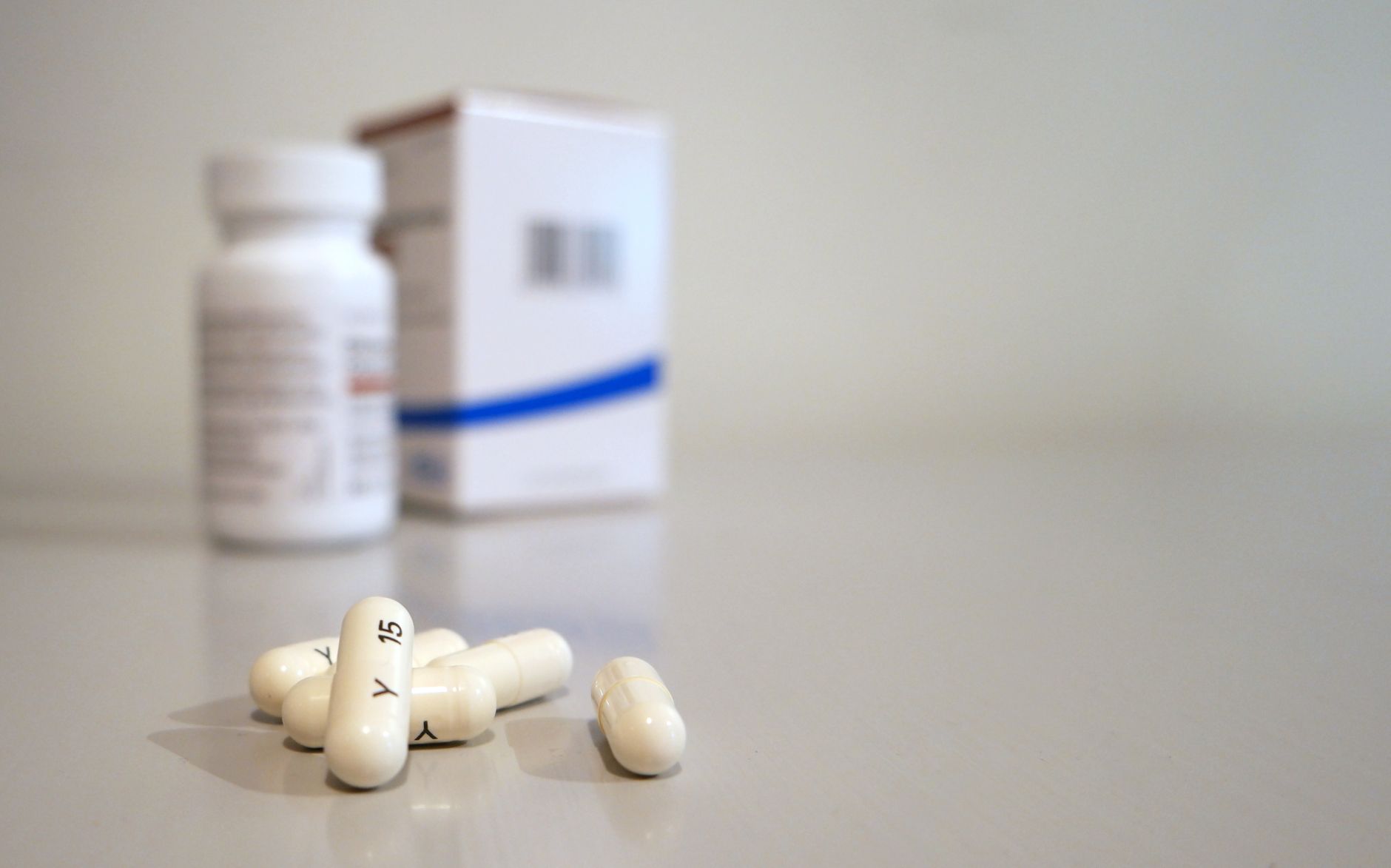
The liver cancer drug landscape is evolving as HLB’s recent FDA approval marks a significant milestone. This development brings hope for effective treatments in a challenging medical field.
Overview of HLB’s Liver Cancer Drug
HLB has made significant strides in the development of a liver cancer drug that has recently received FDA approval, marking a crucial milestone in its efforts to combat this aggressive disease. This approval comes at a time when the need for effective treatments is more pressing than ever, as liver cancer rates continue to rise globally.
The drug in question has undergone rigorous testing and has demonstrated promising results in clinical trials, showing improved survival rates and reduced tumor size in patients. This has led many experts to consider it as a leading option in the treatment landscape for liver cancer.
Key features of HLB’s liver cancer drug include:
- Targeted Therapy: The drug specifically targets cancerous cells, minimizing damage to healthy tissues.
- Enhanced Efficacy: Clinical trials have indicated a higher response rate compared to existing treatments.
- Improved Quality of Life: Patients reported fewer side effects, allowing for a better overall treatment experience.
Despite these advancements, experts caution that while HLB’s liver cancer drug shows great promise, ongoing research and long-term studies are essential to fully establish its efficacy and safety. As the medical community continues to evaluate this treatment, the potential it holds in changing the liver cancer treatment paradigm remains a topic of great interest.
Impact of FDA Approval on HLB
The recent FDA approval of HLB’s liver cancer drug marks a significant milestone for the company and its ongoing efforts in oncology. This approval not only validates the efficacy and safety of the drug but also opens the door for broader acceptance among medical professionals and patients alike.
As HLB navigates the competitive landscape of cancer treatment, the implications of this approval are profound. The company has invested substantial resources into the research and development of this liver cancer drug, and the FDA’s endorsement is a testament to the hard work and dedication of its team. With this approval, HLB can now ramp up production and distribution efforts, potentially reaching a larger patient population in need of effective treatment options.
Furthermore, the approval enhances HLB’s credibility in the pharmaceutical industry, which may attract new partnerships and collaborations. Investors are likely to take a closer look at HLB’s prospects, given the increasing demand for innovative cancer therapies. The company’s ability to demonstrate positive clinical outcomes will be crucial in establishing its liver cancer drug as a leading option in the market.
In addition to expanding its market reach, HLB may also focus on educating healthcare providers about the benefits of its newly approved liver cancer drug, ensuring that patients receive the best possible care based on proven evidence.
What Makes HLB’s Drug Stand Out?
HLB’s liver cancer drug has garnered significant attention in the medical community, and several factors contribute to its distinct position in the market. One of the primary elements that sets this drug apart is its innovative mechanism of action, which targets specific pathways involved in tumor growth. This targeted approach not only enhances efficacy but also minimizes potential side effects compared to traditional therapies.
Additionally, the drug has shown promising results in clinical trials, with a substantial number of patients experiencing improved survival rates and quality of life. The robust data supporting its effectiveness has bolstered confidence among healthcare providers and patients alike.
Another noteworthy aspect is HLB’s commitment to ongoing research and development. The company is actively exploring combination therapies and potential applications of the liver cancer drug in other cancer types. This forward-thinking strategy positions HLB as a leader in oncology advancements.
Moreover, the supportive community surrounding HLB’s drug includes partnerships with leading medical institutions and advocacy groups, which enhances awareness and accessibility for patients. With continued momentum following FDA approval, HLB’s liver cancer drug not only offers hope for those affected by the disease but also represents a significant step forward in the fight against cancer.
In summary, HLB’s liver cancer drug stands out due to its innovative approach, promising clinical results, and strong support network.
Future Prospects for Liver Cancer Treatments
The landscape of liver cancer treatments is rapidly evolving, with ongoing research and development promising new avenues for patient care. As the medical community seeks to improve outcomes for those affected by liver cancer, several factors will influence the future prospects for liver cancer drugs, including HLB’s recent advancements.
One significant area of focus is the integration of personalized medicine. Tailoring treatments to individual genetic profiles could enhance the effectiveness of liver cancer drugs, allowing for more targeted therapies that address specific patient needs.
Additionally, combination therapies are gaining traction. The potential to use HLB’s liver cancer drug alongside existing treatments could improve overall efficacy and reduce the likelihood of resistance, a common challenge in cancer treatment.
Clinical trials will continue to play a crucial role in shaping the future of liver cancer therapies. Ongoing studies are expected to explore not only the effectiveness of HLB’s drug but also its safety profile in diverse populations.
Furthermore, advancements in technology, such as artificial intelligence and machine learning, are being leveraged to identify promising compounds and predict outcomes. As these innovations mature, they may lead to breakthroughs that redefine treatment paradigms.
In conclusion, while HLB’s liver cancer drug shows promise, the future of liver cancer treatments will likely hinge on a combination of personalized approaches, innovative research, and collaborative efforts in the medical community.
Key Challenges in Drug Development
The development of new treatments, including the liver cancer drug from HLB, poses several challenges that can impact their market success and patient accessibility. Understanding these hurdles is crucial for both the company and potential patients.
- Regulatory Hurdles: Navigating the complex landscape of regulatory approvals can be time-consuming and costly. Each stage of clinical trials must demonstrate safety and efficacy, which can delay a drug’s entry into the market.
- Market Competition: The liver cancer treatment market is becoming increasingly crowded. Established therapies and emerging drugs from other companies may pose significant competition for HLB’s product, affecting its market share.
- Patient Access: Even with FDA approval, ensuring that patients can access the liver cancer drug is a major concern. Insurance coverage and pricing strategies will play a crucial role in determining who can benefit from this new treatment.
- Ongoing Research: Continuous research and development are necessary to stay ahead of the evolving needs of liver cancer patients. HLB must invest in further studies to explore the long-term effectiveness and potential side effects of their drug.
Addressing these challenges will be essential for HLB to solidify its position as a leading player in the liver cancer treatment landscape and to ensure that its innovative drug reaches those who need it most.
Photo by Julie Viken on Pexels


Leave a Reply