

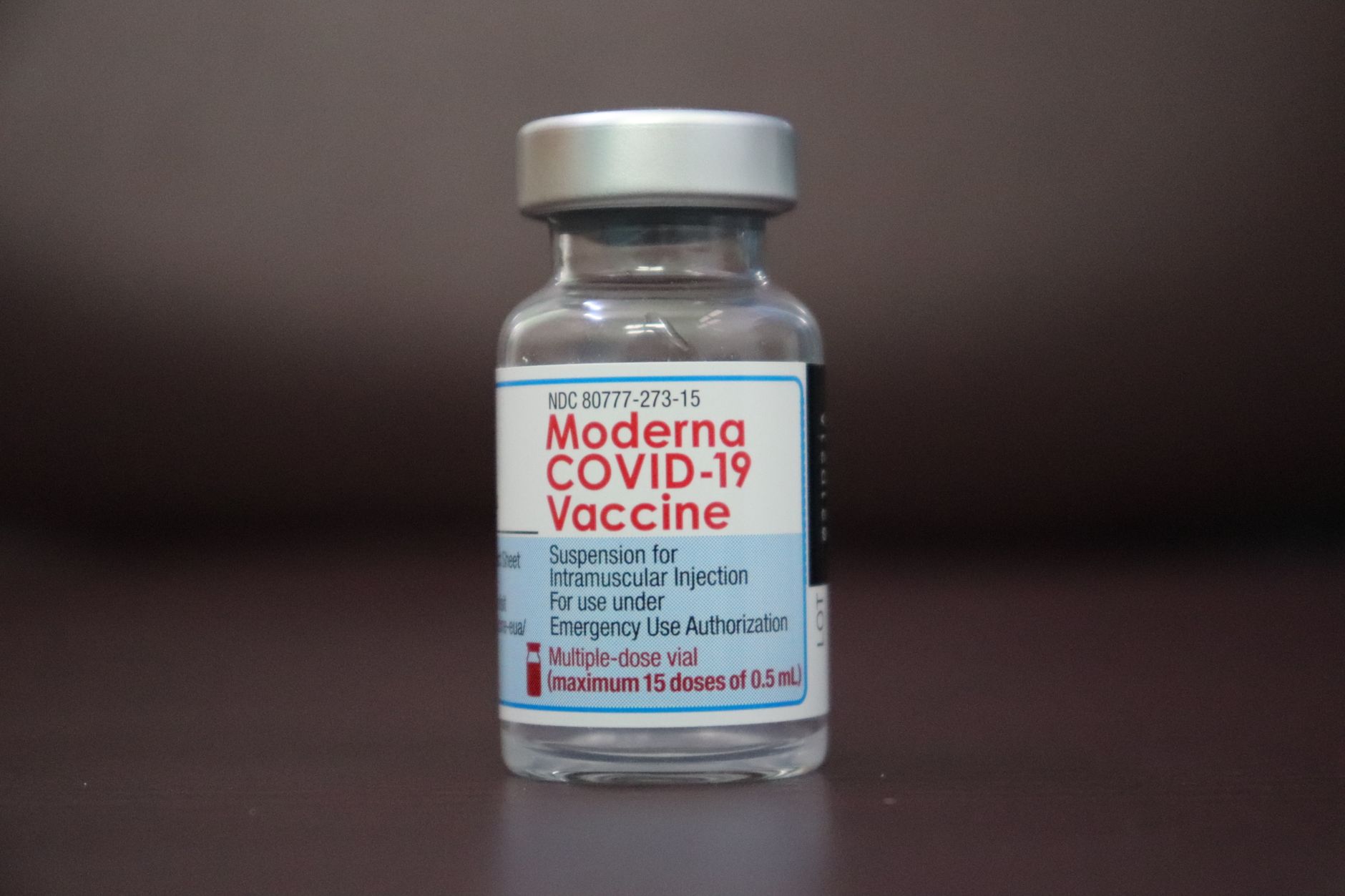
COVID-19 mRNA vaccine approval marks a crucial milestone in the fight against the virus. GC Biopharma’s recent Phase 2 approval signifies hope for effective vaccination strategies.
Overview of GC Biopharma’s mRNA vaccine
GC Biopharma has recently announced that it has secured Phase 2 approval for its COVID-19 mRNA vaccine, marking a significant milestone in the fight against the pandemic. This achievement not only demonstrates the company’s commitment to advancing vaccine technology but also highlights the potential of mRNA vaccines in providing effective protection against COVID-19.
The vaccine developed by GC Biopharma utilizes the same innovative mRNA technology that has been successful in other COVID-19 vaccines. The approval comes after promising results in earlier clinical trials, which indicated a favorable safety profile and robust immune response among participants.
Key aspects of GC Biopharma’s mRNA vaccine include:
- Safety and Efficacy: Early trials have shown minimal side effects and a strong immune response.
- Accessibility: The company aims to ensure that the vaccine is widely available, particularly in domestic markets.
- Future Prospects: Continued research is planned to further assess the vaccine’s long-term effectiveness.
With the ongoing evaluation of various mRNA vaccines, GC Biopharma’s development adds to the growing list of options available for combating COVID-19.
Importance of Phase 2 approval
The recent Phase 2 approval for GC Biopharma’s COVID-19 mRNA vaccine marks a significant milestone in the fight against the pandemic. This stage of clinical trials is crucial as it evaluates the vaccine’s efficacy and safety in a larger group of participants.
Phase 2 trials are designed to:
- Assess dosage: Determining the optimal amount of vaccine needed for effective immune response.
- Monitor side effects: Identifying any adverse reactions that may occur in a diverse population.
- Provide preliminary efficacy results: Giving an early indication of how well the vaccine may protect against COVID-19.
With this approval, GC Biopharma is one step closer to making their COVID-19 mRNA vaccine available to the public, potentially providing an important tool in controlling the spread of the virus. As more data emerges from Phase 2 trials, stakeholders will be better positioned to understand the vaccine’s role in the broader immunization strategy.
How does mRNA technology work?
mRNA technology represents a groundbreaking approach in vaccine development, particularly highlighted by the recent COVID-19 mRNA vaccine approval. Unlike traditional vaccines that use weakened or inactivated viruses, mRNA vaccines utilize a piece of genetic material called messenger RNA to instruct cells to produce a harmless spike protein found on the surface of the virus.
This process initiates an immune response, teaching the body to recognize and combat the actual virus if exposed in the future. The steps involved in mRNA technology include:
- Delivery: Lipid nanoparticles encapsulate the mRNA, ensuring its safe passage into human cells.
- Translation: Once inside the cells, the mRNA is translated into the spike protein.
- Immune Response: The immune system detects the spike protein as foreign, generating antibodies and activating T-cells.
This innovative method not only accelerates vaccine development but also enhances adaptability in response to emerging variants, positioning mRNA vaccines as a vital tool in pandemic response.
Implications for public health
The approval of the COVID-19 mRNA vaccine by GC Biopharma carries significant implications for public health. As countries continue to combat the pandemic, having an effective mRNA vaccine in their arsenal is crucial.
Firstly, the widespread availability of this vaccine could enhance herd immunity, potentially reducing COVID-19 transmission rates. This is vital in protecting vulnerable populations, including the elderly and those with underlying health conditions.
Secondly, the rapid development and approval of mRNA vaccines signal a shift in vaccine technology. This could pave the way for faster responses to future pandemics, as the mRNA platform can be adapted for various pathogens.
Finally, public trust in vaccines may improve with the success of this mRNA option. As more individuals receive the vaccine, the likelihood of vaccine hesitancy may decrease, encouraging higher vaccination rates across communities.
In summary, the COVID-19 mRNA vaccine approval not only addresses current health challenges but also sets a precedent for innovative approaches in future vaccine development.
Comparing mRNA vaccines on the market
As the landscape of COVID-19 vaccines continues to evolve, several mRNA vaccines have emerged on the market, showcasing distinct features and efficacy rates. These vaccines utilize innovative mRNA technology to train the immune system against the SARS-CoV-2 virus, which causes COVID-19.
Some of the prominent mRNA vaccines include:
- Pfizer-BioNTech: Known for its high efficacy rate of around 95% against severe disease, it has been widely administered globally.
- Moderna: Similar to its counterpart, Moderna’s vaccine has shown approximately 94% efficacy and is noted for its robust immune response.
- GC Biopharma: Recently securing Phase 2 approval, their mRNA vaccine is expected to offer a competitive alternative, focusing on domestic needs.
In comparing these options, the COVID-19 mRNA vaccine approval process highlights the rigorous standards set by health authorities to ensure safety and efficacy for the public.
Future of COVID-19 vaccination strategies
The future of COVID-19 vaccination strategies is likely to evolve significantly as more mRNA vaccines gain approval and enter the market. With GC Biopharma’s recent Phase 2 approval for its mRNA vaccine, attention is turning to how these developments will shape immunization efforts worldwide.
Experts suggest that one of the key advantages of mRNA vaccines is their ability to be rapidly updated in response to emerging variants of the virus. This flexibility may lead to more effective vaccines, tailored to combat specific strains of COVID-19.
As governments and health organizations consider their vaccination strategies, the focus will also be on:
- Accessibility: Ensuring that mRNA vaccines are made available to all populations.
- Public trust: Addressing vaccine hesitancy through education and transparent communication.
- Research: Continued studies to monitor long-term efficacy and safety of mRNA technology.
In this evolving landscape, the approval of COVID-19 mRNA vaccines marks a significant milestone in the fight against the pandemic.
As the debate continues on the implications of COVID-19 mRNA vaccine approval, experts are weighing the benefits against potential risks. Many health organizations are advocating for the COVID-19 mRNA vaccine approval as a crucial step in controlling the pandemic.
Photo by Mufid Majnun on Pexels
Read the original
Related reading
Medicus Pharma Share Price: Is It the Best Investment Now? · Nandigram byelections October 2023: Quick Results Expected · Find Top-Rated Medicare Advantage Part C Plans with Ease





Leave a Reply